By David Lapham · Published
At a glance
- Optimize Soil Biology: Cultivate a thriving microbial ecosystem to boost nutrient cycling and natural disease resistance.
- Smart Fertilization: Use balanced N-P-K fertilization to promote steady green-up without over-stimulating shoot growth.
- Incorporate Biostimulants: Products like Summit Gold SG 360 and microbial inoculants enhance sod immunity by priming plant defenses.
- Integrated Practices: Combine proper soil management, timed fertilization, and biostimulant applications for resilient turf and efficient green-up.
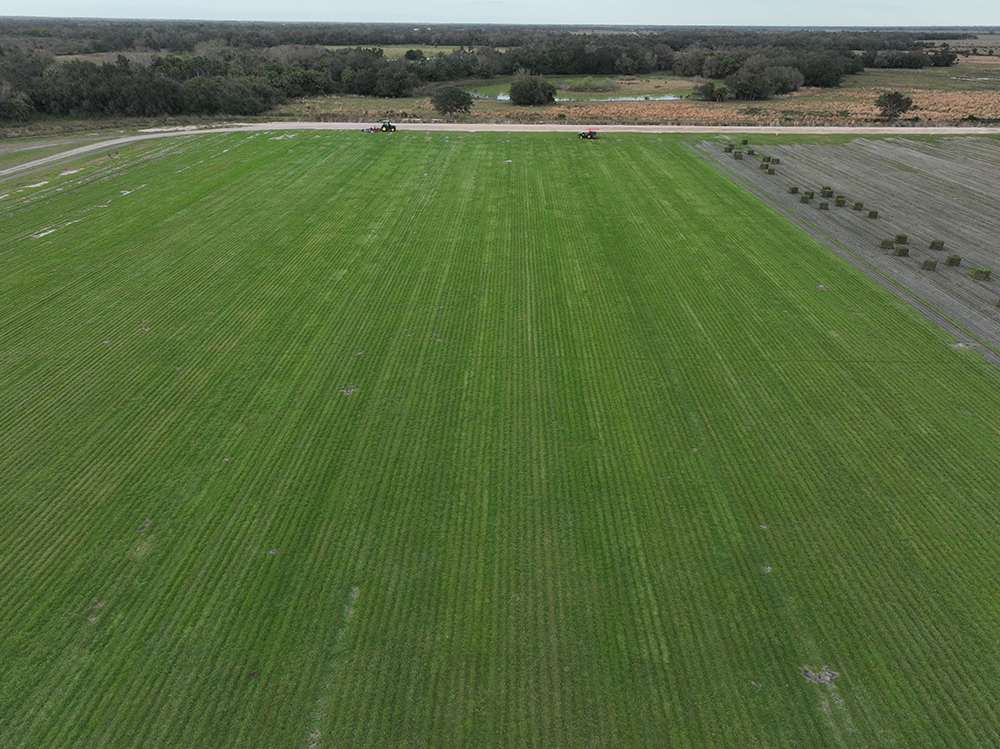
( Microbial Role in Spring Green-Up – Earth Microbial) Dormant turf begins to green up as snow recedes in spring. Early spring “green-up” is a critical period for sod farms and turf managers, as grass awakens from winter dormancy and begins active growth. At this stage, turfgrass can be vulnerable – its root systems may be recovering, soil temperatures are low, and pathogen pressure can be high. Enhancing sod immunity during green-up means bolstering the grass’s natural defenses and vigor so it greens up faster and resists diseases and stress. Experts emphasize a holistic approach: healthy soil biology, balanced nutrition, and strategic use of biological stimulants can give sod a strong immune foundation for the season (Summit Gold - Request a Quote - Jorgensen Land & Cattle) ( Microbial Role in Spring Green-Up – Earth Microbial). In this article, we’ll explore research-backed strategies – from nurturing soil micro-organisms to choosing the right fertilizers and biostimulant products – that turf specialists and sod growers use to promote a robust, disease-resistant green-up, with insights from agronomists and farm managers along the way.
Soil Biology: The Invisible Ally in Sod Health
Sod growers often say “take care of the soil, and the soil takes care of the sod.” A rich soil microbial community is an unseen but essential ally for turf. Trillions of microbes inhabit turf soils – one analysis estimated 1 pound of healthy turf soil contains up to 930 billion organisms ( Soil microorganisms: A turf manager’s guide - GCMOnline.com ). While a few soil microbes are pathogenic, the vast majority perform crucial functions that keep grass healthy ( Soil microorganisms: A turf manager’s guide - GCMOnline.com ). Beneficial bacteria, fungi, and other micro-organisms break down organic matter into nutrients, fix atmospheric nitrogen, and make nutrients like phosphorus and iron more available to plants ( Microbial Role in Spring Green-Up – Earth Microbial) (Microbebio microbial consortium inoculant increases pasture grass yield and pest and disease prevention for high yield and pest and disease prevention - Microbial fertilizer Organic Fertilizer USA). For example, as turf comes out of dormancy it needs an influx of nutrients; soil microbes in the root zone (rhizosphere) help mineralize organic matter and cycle nutrients to fuel new growth ( Microbial Role in Spring Green-Up – Earth Microbial).
Perhaps even more impressively, beneficial microbes can actively boost the turf’s immune system. Turf agronomists note that certain rhizobacteria induce systemic resistance in grass, essentially “priming” the plant to fight off diseases ( Microbial Role in Spring Green-Up – Earth Microbial). A turfgrass microbiology blog explains that beneficial bacteria can activate the grass plant’s immune system, enhancing disease resistance during spring green-up when the young grass is most susceptible ( Microbial Role in Spring Green-Up – Earth Microbial). These microbes also help suppress pathogens directly. They compete with or even prey on harmful organisms in the soil, creating a natural biological defense. According to Oklahoma State University Extension, adding organic matter (like compost) to soil can introduce beneficial microbes that out-compete turf pathogens or break down pathogen inoculum (Non-Chemical Methods for Controlling Diseases in the Home Landscape and Garden | Oklahoma State University). In other words, a soil teeming with diverse microbes is less welcoming to disease-causing fungi and bacteria.
( Microbial Role in Spring Green-Up – Earth Microbial) Cross-section of turf showing dense roots in healthy, microbe-rich soil. Encouraging this biological army starts with soil management practices. Aeration and drainage are key tactics – alleviating compaction ensures soil has enough air and proper moisture balance for microbes to thrive ( Soil microorganisms: A turf manager’s guide - GCMOnline.com ) ( Microbial Role in Spring Green-Up – Earth Microbial). (Compacted, waterlogged soils lack oxygen, which stifles beneficial microbial activity and weakens roots ( Soil microorganisms: A turf manager’s guide - GCMOnline.com ).) Many sod farmers aerate fields or use cultivation practices to improve soil structure and relieve compaction. They may also incorporate organic amendments (compost, manure) before laying sod to boost soil organic matter and microbe populations. Research shows that microbial diversity is strongly associated with turfgrass health and disease suppression ( Microbial Role in Spring Green-Up – Earth Microbial). Thus, management strategies that foster a diverse soil food web – for instance, using organic fertilizers or reducing harsh chemical inputs – can lead to a more resilient sod that naturally fends off pathogens and stress ( Microbial Role in Spring Green-Up – Earth Microbial). “Optimizing nutrient release and building soil microbiology supports long-term soil and plant health,” notes agronomist Dan Coffin (Summit Gold - Request a Quote - Jorgensen Land & Cattle), who advocates for balanced fertilization coupled with biostimulants to feed soil life. The bottom line: a vibrant soil ecosystem creates a strong foundation for sod immunity.
Smart Fertilization for Spring Green-Up and Immunity
Feeding the turf the right way in spring is a balancing act. On one hand, the grass needs readily available nutrients to kickstart greening and growth; on the other, overdoing certain fertilizers can actually weaken the sod’s stress tolerance or invite disease. Nitrogen (N) is the primary driver of green color and growth, but experts warn that heavy nitrogen applications at spring green-up can cause lush, succulent shoot growth at the expense of root development and disease resistance. Penn State turf research notes that excessive early-spring N can deplete carbohydrate reserves needed for root growth and pest resistance (Turfgrass Fertilization: A Basic Guide for Professional Turfgrass Managers). Similarly, University of Florida turf specialists found that turf given too much nitrogen during cool weather had shallower roots and was more prone to frost injury and stress (SL52/SS164: Fertility Considerations for Sod Production). To avoid these issues, turf agronomists recommend applying only a modest dose of N in early spring. A rate on the order of 0.5–0.75 lb of N per 1,000 sq.ft. is enough to spur green-up without excessive foliar growth (Turfgrass Fertilization: A Basic Guide for Professional Turfgrass Managers). In fact, if lawns or sod fields were well-fertilized in late fall, they often have ample reserves to green up quickly with minimal spring N (Turfgrass Fertilization: A Basic Guide for Professional Turfgrass Managers) – an approach that can prevent the spring flush thatch and reduce disease pressure. The goal is a steady green-up, not a fragile burst of growth.
Aside from nitrogen, phosphorus and potassium nutrition play pivotal roles in sod health during green-up. Phosphorus (P) is often associated with root growth and establishment. For sod farms, building a robust root system is critical both for efficient green-up and for the strength of sod when it’s harvested (sod must hold together). Research from University of Florida confirms that phosphorus is absolutely required for development of a strong root-stolon system, and sod producers are advised to ensure adequate P through soil testing and regular fertilization if levels are low (SL52/SS164: Fertility Considerations for Sod Production). Incorporating a phosphorus source (like MAP or DAP) into the soil before planting sprigs or sod can accelerate early rooting (SL52/SS164: Fertility Considerations for Sod Production). Growers should be mindful that P is immobile in many soils – in acidic, sandy soils it leaches, and in high-pH soils it can tie up – so maintaining an optimal pH (~6.0–7.0 for most turf) and placing P where roots can access it will improve its efficiency (SL52/SS164: Fertility Considerations for Sod Production).
Potassium (K) is another macronutrient essential for sod’s “immune system.” Potassium doesn’t contribute to greening directly, but it regulates many physiological processes related to stress tolerance. Adequate K nutrition toughens cell walls, improves drought and cold resistance, and has been linked to reduced disease incidence in turf (SL52/SS164: Fertility Considerations for Sod Production). Turf experts often call K the “health element” – it won’t make grass visibly lusher in the short term, but proper K fertilization may limit disease problems and enhance sod quality, according to anecdotal observations in sod production (SL52/SS164: Fertility Considerations for Sod Production). For instance, soils very low in K might predispose grass to issues like leaf spot or spring disease outbreaks. Sod farmers, therefore, typically apply potassium (often in a 1:1 or 1:2 ratio with nitrogen) during grow-in and prior to winter dormancy, to ensure the grass has reserves for spring. University of Florida guidelines note that K is rapidly leached in sandy soils, so it should be replenished regularly and soils should be limed to improve K retention (via increased CEC) (SL52/SS164: Fertility Considerations for Sod Production). In short, balanced nutrition – not just spring nitrogen – underpins sod’s immune strength. A soil test guided approach (adjusting NPK and pH per recommendations) allows sod growers to correct limiting nutrients and avoid excesses, thereby promoting a resilient green-up (SL52/SS164: Fertility Considerations for Sod Production) (SL52/SS164: Fertility Considerations for Sod Production).
Micronutrients can also come into play during green-up, particularly iron (Fe). Often used as a supplement for quick greening without extra growth, iron is known to be vital for chlorophyll production. It’s frequently deficient in early spring because cold, wet soils and higher pH reduce iron availability to plants ( Microbial Role in Spring Green-Up – Earth Microbial). Iron deficiency not only dulls turf color but can slow growth and increase disease pressure in spring ( Microbial Role in Spring Green-Up – Earth Microbial). Many turf managers apply chelated iron or iron sulfate in spring to deepen color; interestingly, beneficial soil microbes can assist here as well. Certain rhizosphere bacteria produce compounds called siderophores that solubilize bound iron in soil, making it available to grass roots ( Microbial Role in Spring Green-Up – Earth Microbial). These microbial siderophores effectively shuttle iron to the plant while also sequestering it away from pathogens (many turf pathogens, like Pythium, also need iron). The result is less disease pressure and a healthier plant system that can grow earlier in spring ( Microbial Role in Spring Green-Up – Earth Microbial). This synergy between micronutrient management and microbiology is another reminder that feeding the soil often feeds the plant. In practice, ensuring the soil has adequate micronutrients (Fe, Mn, etc., as indicated by tests or visual cues) and perhaps inoculating with beneficial microbes can together support a robust green-up.
The Role of Biostimulants and Biological Products
Beyond conventional N-P-K fertilizers, a growing number of sod growers and turf professionals are turning to biostimulants and biological soil amendments to enhance turf vigor and immunity. Biostimulants are natural or synthetic products (excluding standard fertilizers or pesticides) that, when applied in small amounts, stimulate natural processes in the plant or soil. Common turf biostimulants include humic and fulvic acids, seaweed extracts, amino acid hydrolysates, and inoculants of beneficial microbes (like mycorrhizal fungi or plant growth-promoting bacteria) (A primer on biostimulants for turfgrass | LebanonTurf). These inputs don’t directly kill pests or provide bulk nutrition; instead, they work by improving the plant’s ability to use nutrients, tolerate stress, and build strength. Over the last two decades, turf research has documented that biostimulant applications can enhance overall turf quality and performance by improving tolerance to abiotic stress (heat, drought, etc.) (A primer on biostimulants for turfgrass | LebanonTurf). In effect, they act as a support system for the grass’s own growth and defense mechanisms.
For example, seaweed extracts (often from kelp like Ascophyllum nodosum) contain plant hormones and osmoprotectants that can trigger turfgrass to bolster its stress responses. A primer from LebanonTurf notes that seaweed-based biostimulants are popular as a preventive tool – like a flu shot for your lawn – applied ahead of stress to “put the turf on alert” and enable a faster, stronger reaction when stress hits (A primer on biostimulants for turfgrass | LebanonTurf) (A primer on biostimulants for turfgrass | LebanonTurf). Humic and fulvic acids, organic compounds derived from decomposed plant matter, are another common biostimulant. They improve soil structure, increase microbial activity, and chelate nutrients, thereby making fertilizer applications more effective. One turf product containing humic acid plus sea kelp (the N-Ext “RGS” stimulant) is formulated specifically to aid in initial spring green-up by buffering and extending nitrogen release and adding oxygen into the soil profile for greater nutrient uptake ( [N-Ext] RGS - Root Growth Bio-Stimulant with Sea Kelp | The Lawn Care Nut – LawnCareNut). In essence, humic substances can moderate the release of nutrients (preventing surge growth) and enhance root metabolism – leading to a steadier green-up and deeper roots.
Academic research backs many of these claims. A 2023 review in the journal Agriculture concluded that biostimulants enhance the quality of turfgrasses, augment their tolerance to environmental stresses, and facilitate nutrient uptake, ultimately improving the visual and functional aspects of the grass (Biostimulants in the Production of Forage Grasses and Turfgrasses). Notably, the review pointed out that while biostimulants cannot replace fertilizers, they significantly improve the plant’s efficiency in utilizing nutrients in the soil or fertilizer (Biostimulants in the Production of Forage Grasses and Turfgrasses). This means a sod grower might be able to use slightly less NPK fertilizer to achieve the same growth if a good biostimulant program is in place – an important economic and environmental benefit. (In fact, some field trials have shown reduced fertilizer and even pesticide needs when robust microbial or biostimulant products are used (Turf and Ornamental Data - Holganix).) It’s important to set expectations, though: biostimulants are not magic, nor a cure-all for poor turf. They do not directly kill diseases or weeds – “they have no specific effect on pathogens or pests,” an industry guide emphasizes (A primer on biostimulants for turfgrass | LebanonTurf). If a disease is present, fungicides might still be needed. Think of biostimulants as preventative care or plant “vitamins”: they help the grass help itself, strengthening its immunity and resilience, so problems are less likely to occur or as severe.
Comparing Products: Summit Gold and Other Turf Immunity Boosters
The turf industry today offers a spectrum of products aimed at improving plant health and immunity during green-up. It’s useful to compare a few leading approaches – from nutrient blends with plant defense stimulants to live microbial inoculants – to see how they differ.
Summit Gold’s SG 360 is one such product frequently cited in this context. Summit Gold SG 360 is a 5-13-8 liquid fertilizer fortified with phosphorous acid (potassium phosphite), a substance known to stimulate plant defense responses against fungi like Pythium and Phytophthora. Applied at 2.5 gal/acre, SG 360 has been shown to improve turf’s tolerance to disease and stress from humid, wet conditions (SG 360 – SummitGold). The manufacturer notes turf treated with SG 360 often shows less fungus pressure and can require fewer fungicide applications, thanks to the phosphite triggering the plant’s own immune mechanisms (SG 360 – SummitGold). At the same time, SG 360’s nutrient package feeds the grass, and interestingly, it’s also formulated to increase biological activity in the soil (SG 360 – SummitGold). (Phosphite fertilizers like this double as mild fungicides and plant stimulants – they don’t directly kill fungi like a traditional fungicide, but by improving the plant’s defenses and nutrition, they reduce disease.) Turf managers might choose Summit Gold SG 360 or similar phosphite-based “plant health” fertilizers in spring to get a green-up with an added layer of disease protection. University research on phosphites supports this approach: the USGA notes phosphite applications are well documented to suppress certain turf diseases while promoting turf health (Fate of Foliar-Applied Phosphite and Its Effect on Growth ... - USGA). Thus, Summit Gold represents a nutritional+protective combo product.
In contrast, some products take a more biology-first approach. For example, Holganix Bio 800+ is a popular liquid inoculant containing a consortium of beneficial microorganisms (over 800 species of bacteria, fungi, protozoa) plus nutrient additives. Instead of providing much NPK, its goal is to load the soil with beneficial microbes that then improve nutrient cycling, root growth, and thatch breakdown. At Daniel Island Golf Club in South Carolina, the director of agronomy reported that after integrating a microbial bio-stimulant (Holganix) into the fertility program, he was able to reduce conventional fertilizer use by 25% and irrigation by 40%, thanks to improved soil structure and rooting (Holganix Case Study: Daniel Island Club Reduces Fertilizer with Holganix). “The soil microbes improve soil health, and with good soil health, you see turf quality improvements throughout,” he explains (Holganix Case Study: Daniel Island Club Reduces Fertilizer with Holganix). This kind of result underscores how boosting the soil’s biology can make the whole system more efficient. For a sod grower, a microbial product might not directly green-up the turf as fast as a nitrogen hit, but it can lead to a stronger root base and less disease, meaning a more durable green-up. Other brands in this category (sometimes called probiotics for turf) include Ultra Bio “Soil Alive” and Compost Tea brews – all aiming to seed the soil with life. Many farm managers pair these with organic matter inputs to ensure the introduced microbes have food to thrive on.
Then there are seaweed and humic-based biostimulant formulas widely used by turf professionals. Products like N-Ext RGS (Root Growth Stimulant) or LebanonTurf’s Emerald Isle seaweed focus on delivering bioactive compounds. These are typically applied as foliar or soil sprays in early spring and throughout the growing season. They don’t supply much NPK, but users often notice turf “wakes up” a bit faster in spring with a deeper green color and improved early rooting. For instance, humic/kelp blends can stimulate more root branching and elongation (the kelp hormones signal roots to grow) ( [N-Ext] RGS - Root Growth Bio-Stimulant with Sea Kelp | The Lawn Care Nut – LawnCareNut). Deeper roots in spring mean the sod can access moisture and nutrients better, which in turn supports a consistent green-up and better summer resilience. A side-by-side comparison by one lawn care company found that lawns receiving a monthly biostimulant (including humic, kelp, and molasses) maintained greener color longer and needed less remedial fertilizer during spring stress, compared to lawns that didn’t get the biostimulant (Bio-stimulants for lawns : r/lawncare - Reddit) ([PDF] Considerations with biostimulants in turfgrass). While anecdotal, these observations echo the scientific consensus that biostimulants improve nutrient use efficiency and stress tolerance in turf (Biostimulants in the Production of Forage Grasses and Turfgrasses).
In summary, Summit Gold SG 360 exemplifies a product that feeds and defends (nutrients + phosphite for immunity), whereas bioinoculants like Holganix focus on soil life, and humic/kelp tonics focus on root stimulation and stress hardiness. Many progressive sod growers actually use a combination: a base fertilization for macro-nutrients, supplemented by a biostimulant (whether microbial or seaweed-based) to amplify the results. As agronomist Dan Coffin highlights, it’s about balancing high productivity with soil health – using “high-quality fertilizers, biostimulants, and biologicals that optimize nutrient release, build soil microbiology, and support long-term soil health” (Summit Gold - Request a Quote - Jorgensen Land & Cattle). Different products take different routes to that goal, so growers choose based on their specific soil needs and management philosophy.
Field Strategies for an Efficient, Resilient Green-Up
Implementing an immunity-boosting program for sod is not just about which product to buy – it’s a combination of practical cultural strategies and timely interventions. Here are several farmer- and expert-endorsed strategies to promote a healthy green-up:
-
Soil Testing and pH Management: Start with a soil test before the growing season. Ensure pH is in the optimal range for your sod species (for example, ~6.5 for most cool-season grasses, 5.5–6.0 for Bermudagrass on sandy soil (SL52/SS164: Fertility Considerations for Sod Production) (SL52/SS164: Fertility Considerations for Sod Production)). Proper pH ensures nutrients like P and Fe are available and that beneficial microbes are most active. If needed, apply lime or sulfur in advance to adjust pH – in Florida sod fields, liming acidic sands from pH 5.0 up to ~6.5 dramatically improved sod quality and nutrient uptake (SL52/SS164: Fertility Considerations for Sod Production) (SL52/SS164: Fertility Considerations for Sod Production).
-
Timed Fertilization (Fall and Early Spring): Utilize the previous fall to set up your spring success. Late-fall fertilization (applied as the turf goes dormant) has been shown to yield an early spring green-up with less excess growth, effectively jump-starting the lawn without heavy spring fertilization (Turfgrass Fertilization: A Basic Guide for Professional Turfgrass Managers). If you miss the fall feeding, plan on a conservative early spring fertilizer application (e.g. 0.5 lb N/1000 ft²) to nudge the green-up (Turfgrass Fertilization: A Basic Guide for Professional Turfgrass Managers). Choose a balanced formulation – for instance, a controlled-release fertilizer with a bit of soluble N for quick effect and slow-release N for sustained feeding. Ensure some potassium is included to bolster disease resistance during the transition (SL52/SS164: Fertility Considerations for Sod Production). And don’t neglect phosphorus if soils are low – a light starter fertilizer can help the waking roots proliferate (SL52/SS164: Fertility Considerations for Sod Production).
-
Aeration and Thatch Management: Going into spring, consider aerifying or verticutting if your sod field has compaction or heavy thatch from last year. Opening up the soil improves air flow to roots and soil life, stimulating microbial activity that had slowed over winter ( Microbial Role in Spring Green-Up – Earth Microbial) ( Microbial Role in Spring Green-Up – Earth Microbial). It also allows spring rain and nutrients to penetrate deeper. Removing excess thatch and standing dead material (through mowing low or dethatching) lets sunlight warm the soil faster, hastening green-up of rhizomes and crowns. However, avoid aggressive dethatching if the turf is still largely dormant, as it can scalp growing points – timing is key (just as green-up begins).
-
Irrigation Management: Avoid overwatering in early spring. It’s tempting to water to “wake up” the grass, but soggy soil can promote fungal diseases like snow mold or Red Thread. In fact, lawns that receive frequent light irrigation are more prone to spring fungus outbreaks (Lawn disease pests - Bos Sod Farms Inc). Instead, water only as needed to prevent excessive drying, and use deeper, infrequent waterings to encourage roots to chase moisture. Proper irrigation goes hand in hand with nutrition – University of California IPM notes that adequate nitrogen can help turf outgrow minor infections, but too much water can negate that benefit by creating disease-friendly humidity (Lawn Diseases: Prevention and Management - UC IPM). So, keep a balance: moist, not saturated.
-
Biostimulant Boosts: Consider applying a biostimulant or soil inoculant as soon as the soil is above ~50 °F and microbes become active ( Microbial Role in Spring Green-Up – Earth Microbial). This could be a liquid kelp/humate spray or a compost tea drench on fields. The idea is to precondition the turf for the season – research suggests preventive biostimulant applications can prime grass to better withstand stresses before they occur (A primer on biostimulants for turfgrass | LebanonTurf). For instance, a kelp-humic application at green-up can enhance root growth and nutrient uptake, translating to a more uniform green carpet. In warmer regions, some growers also apply a dose of microbial inoculant coming out of winter to replenish soil biology (especially if chemical fungicides were used in fall). Industry studies and surveys have observed that a majority of golf courses incorporating biostimulants report improved turf resilience and quality ( Microbial Role in Spring Green-Up – Earth Microbial) ( Microbial Role in Spring Green-Up – Earth Microbial) – sod farms are adopting the same trend.
-
Integrated Pest Management: While building plant health is the first line of defense, keep an eye out for early-season diseases or insects and address them promptly. A healthy, well-fertilized (but not over-fertilized) sod will resist many problems, but if you see signs of trouble (e.g. funguses like Microdochium patch in spring), use targeted controls to prevent spread. Often, minor disease can be managed by adjustment of cultural factors – for example, a mild Red Thread outbreak in spring usually clears up as temperatures rise and nitrogen fertility is corrected (Lawn disease pests - Bos Sod Farms Inc) (Lawn disease pests - Bos Sod Farms Inc). By ensuring the lawn isn’t nitrogen-starved (which predisposes Red Thread) and by mowing/removing infected clippings, you can often curtail it without fungicide. Likewise, a robust root system grown with balanced nutrition will help turf tolerate any early grub feeding until you can apply controls if needed (Lawn disease pests - Bos Sod Farms Inc). In short, use chemicals judiciously as a backup; the core focus should remain on cultural excellence and soil health to naturally minimize pests.
By combining these strategies – nourishing the soil, feeding the plant smartly, and fine-tuning water and cultivation practices – sod farmers and turfgrass professionals create conditions for an efficient green-up and a sod crop with high immunity to stress. It’s an approach where chemistry meets biology: judicious fertilizer provides the raw nutrients, while soil life and biostimulants ensure those nutrients are optimally used to build a strong, resilient turf. As one sod grower put it, “Don’t just force the grass to green up; coach it along.” By following the expert tips and backed by science, growers can coach their sod to a championship-caliber green-up – one that is healthy, dense, and ready to thrive through the season.
Sources:
- Cooper, R.J. Soil microorganisms: A turf manager’s guide. GCM Magazine (Nov 1996) – The crucial roles of diverse soil microbes in turf health ( Soil microorganisms: A turf manager’s guide - GCMOnline.com ) ( Soil microorganisms: A turf manager’s guide - GCMOnline.com ).
- Earth Microbial. Microbial Activity in Spring Green-Up (2023) – How beneficial microbes enhance nutrient cycling, disease resistance, and spring green-up in turf ( Microbial Role in Spring Green-Up – Earth Microbial) ( Microbial Role in Spring Green-Up – Earth Microbial) ( Microbial Role in Spring Green-Up – Earth Microbial) ( Microbial Role in Spring Green-Up – Earth Microbial).
- Oklahoma State Univ. Extension – Non-Chemical Disease Control (Fact Sheet EPP-7652) – Adding organic matter to introduce microbes that compete with turf pathogens (Non-Chemical Methods for Controlling Diseases in the Home Landscape and Garden | Oklahoma State University).
- Penn State Extension – Turfgrass Fertilization Basics – Guidelines for spring fertilization rates and timing to avoid disease and stress (Turfgrass Fertilization: A Basic Guide for Professional Turfgrass Managers) (Turfgrass Fertilization: A Basic Guide for Professional Turfgrass Managers).
- Trenholm, L. et al. (UF IFAS). Fertility Considerations for Sod Production – Importance of P and K for root development and disease resistance in sod (SL52/SS164: Fertility Considerations for Sod Production) (SL52/SS164: Fertility Considerations for Sod Production).
- LebanonTurf Blog – Biostimulants in the Turf World (2021) – How humic acids, seaweed extracts, beneficial fungi/bacteria improve turf stress tolerance (A primer on biostimulants for turfgrass | LebanonTurf) (A primer on biostimulants for turfgrass | LebanonTurf).
- Mackiewicz-Walec, E. & Olszewska, M. (2023). Biostimulants in Production of Forage Grasses and Turfgrasses. Agriculture 13(9): 1796 – Review of biostimulant effects on turf quality and stress tolerance (Biostimulants in the Production of Forage Grasses and Turfgrasses).
- Summit Gold – Product info for SG 360 5-13-8 – Claims of improved plant health, reduced fungicide needs, and increased soil biological activity with phosphite fertilizer (SG 360 – SummitGold).
- Holganix Case Study (2022) – Interview with Joey Franco, Dir. of Agronomy, Daniel Island Club – Reduced fertilizer 25% and water 40% by improving soil health with microbial inoculants (Holganix Case Study: Daniel Island Club Reduces Fertilizer with Holganix) (Holganix Case Study: Daniel Island Club Reduces Fertilizer with Holganix).
- Bos Sod Farms – Lawn Disease & Pests – Recommendations for fertilization and irrigation to prevent spring turf diseases (Red Thread, Fusarium patch) (Lawn disease pests - Bos Sod Farms Inc) (Lawn disease pests - Bos Sod Farms Inc).